
实验室英语:从基础术语到专业语境的全方位指南
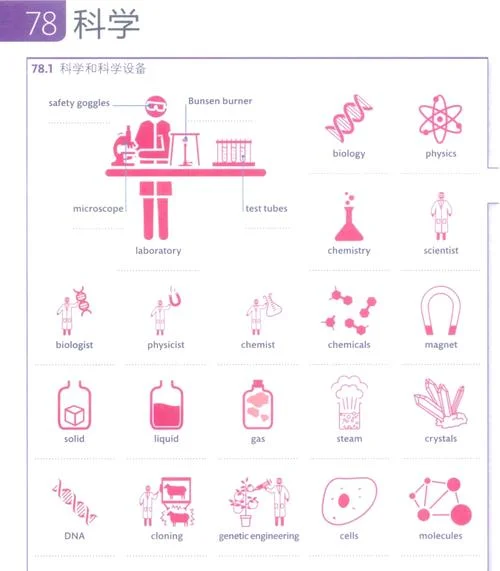
在科研工作中,“实验室用英语怎么说写”是一个极具挑战性的话题。对于科研人员而言,熟练掌握英语不仅是学术交流的通用语言,更是进行前沿探索、获取国际数据以及撰写高水平论文技能。不过,很多的初学者陷入两个误区:要么过分强调特定专业词汇的翻译,导致文章晦涩难懂;要么完全依赖机器翻译,忽视了学术英语的严谨性与规范性。这篇文章将深入探讨实验室英语构建策略,并凭借表格形式提供实用的术语对照与句式模板。
构建学术英语的三大基石
实验室英语与普通日常英语有着本质的区别。它遵循简洁性(Conciseness)、客观性(Objectivity)和逻辑性(Logic)三大原则。
1. 简洁性:学术写作追求信息密度高,避免冗余修饰。,不说 "The very large, very long, very heavy, very deep, very strong, very ugly" 来描述一个物体,而应直接定义为 "extremely large, extremely long, extremely heavy, extremely deep, extremely strong, extremely ugly"。
2. 客观性:描述实验现象时,应使用被动语态或无主句,避免使用主观形容词(如 "beautiful", "wonderful"),转而使用可验证的形容词(如 "clear", "significant")。
3. 逻辑性:句子之间需通过连词紧密连接,形成连贯的论证逻辑,避免碎片化的陈述。
高频实验场景的句式模板
为了提升写作效率,掌握特定场景的固定搭配。以下表格总结了实验室中最常用的动词搭配与句式结构:
| 实验场景 | 常用动词短语 | 标准学术句式模板 | 例句示例 |
|---|---|---|---|
| 描述过程 | conduct, perform, carry out, execute | The team conducted... / We performed... | The team conducted a series of experiments to verify the hypothesis. |
| 数据处理 | analyze, evaluate, assess, interpret | Analysis showed that... / Evaluation indicated... | Statistical analysis revealed a significant correlation between temperature and yield. |
| 观察现象 | observe, detect, monitor, record | Observation demonstrated... / Monitoring detected... | The detector monitored the signal intensity throughout the reaction phase. |
| 得出结论 | conclude, infer, posit, argue | In conclusion, we found... / The evidence suggests... | Our data collectively supports the conclusion that the catalyst is highly efficient. |
| 对比实验 | compare, contrast, differentiate | Comparing A to B... / Contrasting A with B... | We compared the growth rates of the two strains under different nutrient conditions. |
核心词汇与短语的深度解析
除了模板,具体的词汇选择直接影响文章的专业度。以下是几个高频词汇的精准用法解析:
Significant vs. Novel:
Significant: 强调数据的统计学意义或实际影响大。
Novel: 强调新颖性,即“首次发现”或“前所未有”。
例句: "This study provides novel insights into the mechanism, while the statistical significance was moderate."
Replicate vs. Re-create:
Replicate: 指在相同条件下重复之前的实验,以验证结果的可重复性(核心科学指标)。
Re-create: 指试图重现一个具体的历史场景或人为造出的情境。
例句: "To validate the finding, we attempted to replicate the original setup, though our conditions were slightly different."
Control Variable: 控制变量。在实验中,为了证明自变量(Independent Variable)对因变量(Dependent Variable)的影响,必须排除其他因素的干扰。
例句: "In the control group, the temperature was kept constant at 25°C to ensure the results were not influenced by thermal fluctuations."
数据可视化与图表撰写
实验室英语中最具挑战性的部分在于将枯燥的数据转化为直观的图表。撰写图表说明(Figure Legends)时,必须遵循 "Figure X shows..." 的开头,紧接着用简短的动词短语描述趋势。
数据趋势描述指南
| 趋势类型 | 推荐描述词汇 | 示例表达 |
|---|---|---|
| 上升/下降 | Increase, Decrease, Rise, Fall | "The concentration increased significantly from 1.0 to 5.0 μM." |
| 波动 | Fluctuating, Oscillating, Variable | "Data showed a fluctuating trend with no clear correlation." |
| 平台期 | Plateaued, Stabilized, Reached equilibrium | "After 48 hours, the reaction plateaued, indicating equilibrium." |
| 相关性 | Positively correlated, Negatively correlated | "A positive correlation was observed between pH and enzyme activity." |
打个总结:从“翻译”到“创造”
实验室英语并非死记硬背的词汇表,而是一种思维方式的转变。它要求研究者具备清晰的逻辑思维能力,能够用精炼的语言将复杂的科学过程转化为可被同行理解和验证的叙述。
正如数据科学界的一句名言:"Garbage in, garbage out."(垃圾进,垃圾出)。如果输入的英语表达含糊不清、逻辑混乱,即便拥有再精妙的专业术语,也无法产出高质量的科研成果。
行动建议:
1. 阅读经典文献:每天精读一篇顶刊论文,分析其用词习惯。
2. 模仿写作:尝试用英语撰写自己的实验记录或实验报告,并对照模板进行优化。
3. 术语管理:建立个人术语库,区分通用词与专业词,避免过度直译。
掌握实验室英语,就是掌握了打开科学世界大门的钥匙。希望这篇文章提供的指南能助您在科研道路上书写更加精准、有力且专业的篇章。